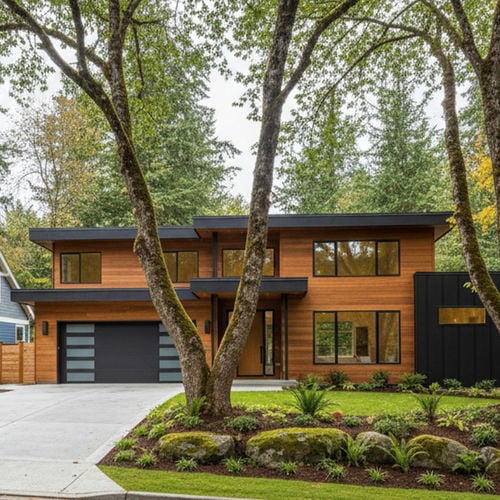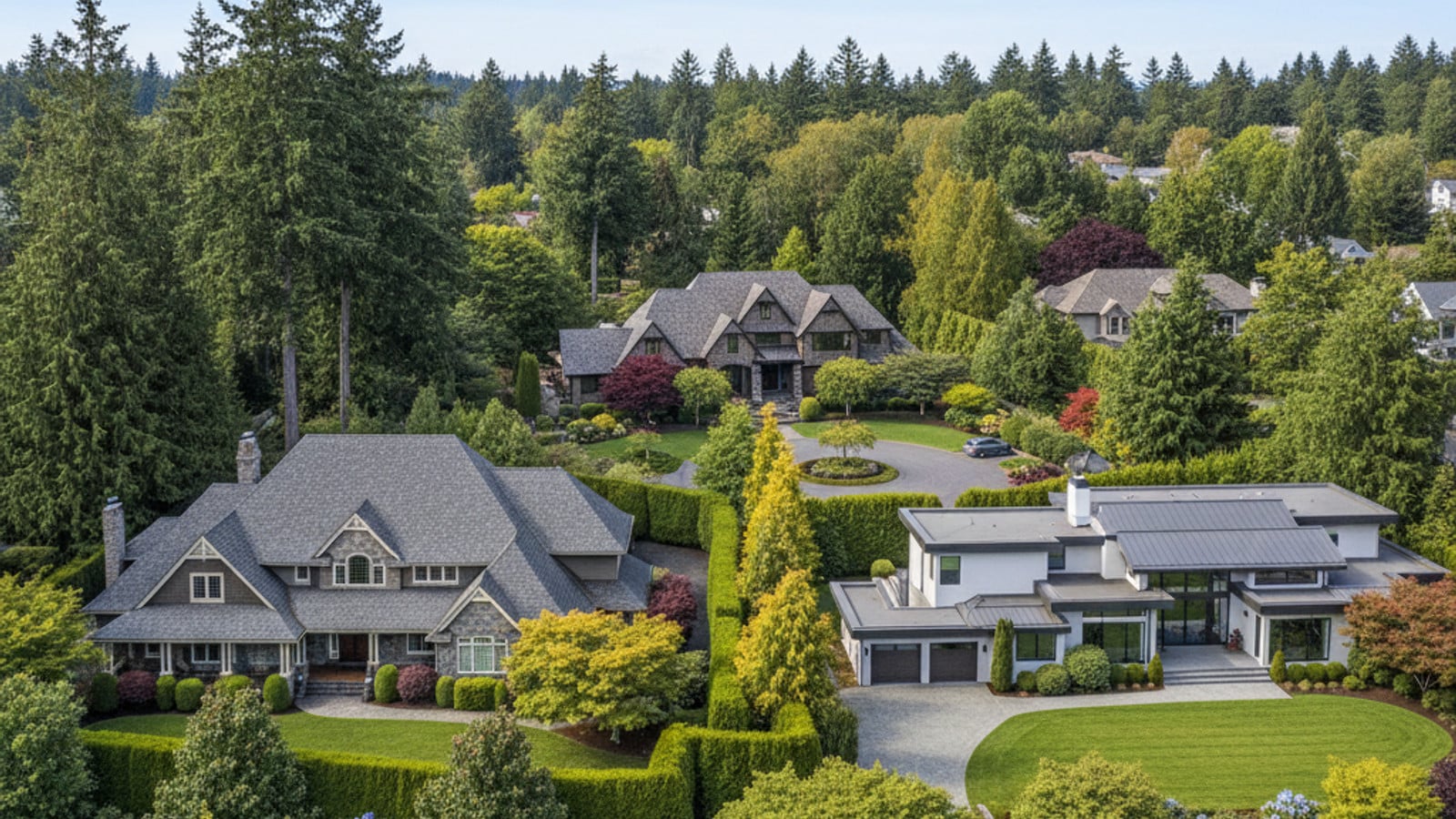
The Eastside housing landscape continues to evolve, and the dynamic environment of King County presents unique opportunities for property buyers. Located just northeast of Seattle, Woodinville stands out as a premium market characterized by a blend of agricultural roots and modern commercial development. This distinct profile creates a compelling case for buyers analyzing long-term property retention and asset growth.
Bypassing the dense urban grids of neighboring municipalities, this area offers larger lot sizes alongside a rapidly expanding local economy. The sustained housing demand is heavily influenced by proximity to major employment centers in Redmond and Bellevue. Navigating this specific market requires a clear understanding of current property values, zoning nuances, and the localized economic drivers shaping 2026 inventory.
Why Woodinville is a Prime Target for Real Estate Investment
Woodinville operates as a high-demand Seattle suburb that provides a stark contrast to the high-density zoning found in other Eastside cities. The local economy is uniquely anchored by the famed Wine Country, which features over 100 local wineries and tasting rooms. This concentration of commercial enterprise drives consistent tourism and bolsters local business development year-round.
Proximity to major tech hubs ensures a continuous pipeline of housing demand from employees seeking a specific lifestyle outside the immediate urban core. Commuters frequently target this area for its access to employment centers in Redmond, Bellevue, and Kirkland. The blend of residential properties on acreage and growing commercial centers creates multiple avenues for capital deployment.
The most successful buyers in this market recognize that the dual nature of the local economy acts as a hedge against purely residential market fluctuations. Property values here are insulated by the robust agricultural and hospitality sectors operating right alongside traditional residential neighborhoods. Investors who target properties near the commercial core or established tasting rooms often see the strongest long-term appreciation.
Woodinville WA Real Estate Market Trends and Median Home Prices
As of April 2026, the median home sale price in the area sits at approximately $1.66 million, firmly establishing this as a premium, high-barrier-to-entry market. Recent data shows a 17.1 percent year-over-year price increase, reflecting intense buyer activity for limited available inventory. Homes are currently averaging 36 days on the market, illustrating a steady pace of transactions despite the higher price points.
Available property types range from single-family homes on expansive acreage to luxury new developments and modern townhomes near the city center. This limited housing inventory sustains tight market conditions where multiple offers are common, pushing the sale-to-list price ratio higher during peak buying seasons. Scarcity is a defining feature of the local landscape, particularly for parcels offering an acre or more of land.
Buyers must approach this market with aggressive financing strategies and a readiness to act on well-priced listings. The premium entry price means that standard appreciation yields massive equity gains in absolute dollar terms over time. Holding a residential asset in this tier requires significant capital, but the historical appreciation rates consistently reward long-term retention.
Woodinville WA Rental Market Statistics and Average Rent
The local rental market demonstrates exceptional strength, driven by high homeownership costs that push many residents toward leasing. Approximately 41 percent of households in the area are renter-occupied, creating a substantial and reliable tenant pool. Corporate employees and daily commuters frequently choose to rent while waiting for the right purchasing opportunity to surface.
Average rental rates reflect the premium nature of the surrounding community and the limited supply of attached housing. In 2026, the average rent for apartments is approximately $2,483 per month. When factoring in all property types, including single-family houses, the overall average rent reaches around $3,450 per month.
These strong monthly yields compare favorably to neighboring Eastside cities like Kirkland and Bellevue, especially when factoring in tenant retention. High-quality single-family rentals are particularly scarce, leading to exceptionally low vacancy rates for well-maintained properties. Investors targeting the single-family rental segment will find a highly captive audience willing to pay a premium for space and location.
Objective Community Features Driving Property Value
Long-term property values are heavily protected by the objective infrastructure and community amenities that define the local geography. The area benefits from highly rated educational boundaries, specifically the Northshore School District, which maintains an A+ rating and an approximate 94.8 percent graduation rate in 2026. These strong district metrics act as a foundational pillar for residential demand and property retention.
Transportation infrastructure also plays a critical role in maintaining the baseline value of local real estate. Commute times to Bellevue and Redmond are typically 15 to 30 minutes depending on traffic patterns along I-405 and SR-522. This efficient access to major tech campuses allows residents to enjoy a suburban lifestyle without sacrificing hours to daily gridlock.
The physical landscape offers distinct recreational advantages that denser neighboring municipalities simply cannot replicate. The Sammamish River Trail provides miles of paved pathways that connect residential zones directly to commercial hubs. These features collectively create a highly sought-after environment with low turnover, directly supporting premium valuations through the following highlights:
Expansive lot sizes and mature landscaping that offer increased privacy compared to standard suburban subdivisions.
A high density of local tasting rooms and dining establishments that create a vibrant, walkable commercial core.
Strategic access to major state routes, facilitating efficient transit across King County and into the broader Seattle metropolitan area.
Risks and Considerations for the Woodinville Real Estate Market
While the potential for substantial equity growth is clear, buyers must objectively assess the financial challenges of operating in this jurisdiction. The primary hurdle is the high financial barrier to entry, with median entry price points exceeding $1.6 million. This requires significant upfront capital and robust cash reserves to weather any unexpected maintenance on larger estate properties.
Current 2026 mortgage interest rates directly impact purchasing power and can compress cash-on-cash returns for rental investors. High local property tax assessments further squeeze monthly margins, requiring meticulous financial underwriting before closing any deal. Investors must ensure their projected rental income or appreciation timeline justifies the heavy carrying costs associated with King County real estate.
Properties situated on acreage often come with specific zoning regulations, land use restrictions, and environmental considerations. Septic system maintenance, protected wetlands, and agricultural zoning limits can severely restrict future development or subdivision plans. Furthermore, the luxury housing tier is historically more volatile during broader economic shifts, meaning buyers should prepare for longer hold periods.
Frequently Asked Questions About Investing in Woodinville
What is the 3-3-3 rule in real estate?
The 3-3-3 rule is a common guideline suggesting buyers should prepare for three months of searching, three months of closing, and three months to stabilize a property. This timeline helps investors manage expectations regarding capital deployment and tenant acquisition. In a fast-paced market with homes averaging 36 days on the market, the search phase often requires strict discipline.
Where is the best place in WA to buy an investment property?
The ideal location depends entirely on an investor's specific strategy, budget, and target property type. King County offers premium appreciation potential, with areas northeast of Seattle providing unique blends of commercial and residential growth. Buyers targeting high-income tenant pools and strong long-term equity growth frequently focus on Eastside suburbs near major employment hubs.
What is the 7% rule in real estate?
The 7 percent rule generally dictates that the total annual costs of holding a property should not exceed 7 percent of its total value. This metric helps buyers quickly evaluate whether a potential rental property will generate sufficient cash flow to cover basic expenses. Given the $1.66 million median price point locally, accurately calculating these carrying costs is absolutely critical for success.
Check out this article next