Cost of Living in Woodinville, WA: Housing, Sales Tax, Utilities & Everyday Costs

Updated on: November 2, 2026
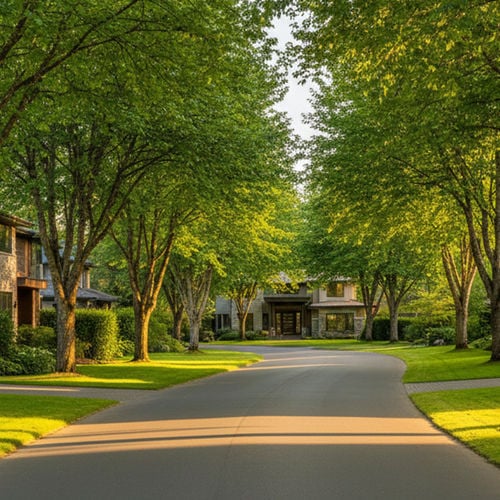
The cost of living in Woodinville, WA is high, well above the U.S. average, and housing drives most of it. Property and sales tax, utilities and car costs make up the rest of the budget. If you are thinking about moving to Woodinville, the budget shift is real, especially coming from a denser area like Seattle or Bellevue. In Redmond or Kirkland, you are often paying for proximity to the office. In Woodinville, you are paying for acreage, privacy, and a semi-rural lifestyle that is hard to find this close to the city.
Key Takeaway
Woodinville costs more to live in than the U.S. average, almost entirely because of home prices. Beyond the house, most non-grocery purchases carry a combined state, local and Sound Transit sales tax. Washington charges no tax on wages.
Who This Guide Is For
This guide is for people budgeting a move to Woodinville and for shoppers checking what sales tax they will pay there.
Woodinville Cost of Living at a Glance
- Sales tax: 10.3% combined, effective January 1, 2026; groceries exempt.
- 2026 median assessed home value: $1,256,000 (King County Assessor).
- Property tax on a median-assessed home: about $11,340 a year.
- Detached-home utilities: $350 to $450 monthly; septic homes skip sewer.
- SR 520 peak toll: $4.90; Sound Transit car-tab tax: 1.1%.
Woodinville Sales Tax Rate (2026)
The combined sales tax rate for addresses inside Woodinville city limits is 10.3%, effective January 1, 2026. That is up from 10.2% in the last quarter of 2025, according to the Washington Department of Revenue.
That rate has three parts. The state takes 6.5% and local levies take 3.8%. Within the local share, 1.4 percentage points go to Sound Transit, the regional transit authority. That leaves roughly 2.4% for city, county and other local levies. The Department of Revenue also lists a separate "Woodinville Non-RTA" location code with a 2.4% local rate. Addresses under that code pay 8.9% combined, so confirm your exact address rather than assuming the city rate.
The tax applies to almost everything you buy, including cars, furniture, and prepared food. Washington exempts:
- food and food ingredients;
- prescription drugs, along with items like hearing aids and lenses, when you present a prescription;
- motor vehicle fuel, which carries the fuel tax instead.
Because groceries escape the tax, it mostly hits the one-time costs of setting up a larger home. A $3,000 sectional sofa or appliance package adds $309 in sales tax, and furnishing several rooms at once multiplies that quickly.
Sales Tax at the Woodinville Costco
Costco checkouts follow the same exemptions: groceries and gas ring up without sales tax, while furniture, electronics, appliances and food-court meals are taxed. Rates depend on where the sale is sourced. Before a big-ticket purchase, enter the warehouse address, or your home address for a delivery, in the Department of Revenue's online rate lookup.
Housing Costs: The Biggest Line Item
The rental market is small, mostly downtown apartments and single-family homes rented out by private owners, with a median rent of $2,416, according to 2025 Census Housing Quick Facts estimates published by the city.
The 2026 property tax levy rate is $9.02840 per $1,000 of assessed value, which put the median 2026 bill at $11,339.67, roughly $945 a month to build into your payment calculations.
The Buying Market
The King County Assessor puts the city's 2026 median assessed value at $1,256,000, a useful marker for typical home pricing. That sits far above typical home values in most of Washington. Demand has stayed stable because there simply isn't much inventory. People who move here tend to stay.
If you are looking for homes for sale in Woodinville, maintenance means something different here. A significant portion of homes sit on lots ranging from 0.5 to 5 acres. Your housing budget needs to account for landscaping services or your own equipment (like a ride-on mower). Tree care and long driveways also add to upkeep on wooded lots.
Utilities & Infrastructure Costs
Moving from an efficient apartment to a 3,000-square-foot home on a hill changes your utility profile.
Electricity and Gas
Puget Sound Energy (PSE) supplies both electricity and natural gas. The state Utilities and Transportation Commission's January 2025 rate decision projected 2026 bills for a typical PSE residential customer:
- Electricity: a customer using 800 kWh a month was projected to pay an average of $129.83 a month.
- Natural gas: a customer using about 64 therms a month was projected to see another $1.65 monthly increase in 2026.
Bigger homes take more to heat, and gas bills spike during the damp, chilly winter months.
Water and Sewer: The Hidden Variable
If you are in the downtown area or suburban developments like Wellington, you are likely on public water and sewer through the Woodinville Water District. Under its 2026 rate schedule, the residential sewer basic charge is $71.28 every two months, about $36 a month. Water is also billed every two months, in tiers. The first 1,496 gallons carry no consumption charge. After that, usage costs about 0.9 to 1.4 cents a gallon depending on volume and season, with summer rates higher.
Many Wine Country homes in R-1 zones (one dwelling per acre) are on septic systems.
- The upside: You don't have a monthly sewer bill.
- The downside: You are responsible for septic maintenance, pumping, and eventual repairs, which can cost thousands if a system fails.
King County requires inspections every three years for a conventional gravity system. Pressure-distribution, mound, sand-filter and other alternative systems need inspection at least once a year. Skipping inspections lets small problems grow into those costly failures.
Add the PSE electricity and gas bills to water, sewer and garbage, and a safe monthly budget for a detached home is typically $350 to $450.
Daily Living Expenses: Food and Transportation
Transportation
Unless you live right in the downtown core, you will need a car to get almost anywhere. Regular gasoline averaged $5.19 a gallon statewide on November 2, 2026, according to AAA.
If you commute to Seattle, budget for the SR 520 bridge toll. The maximum weekday Good To Go peak toll is $4.90. Crossing in both peak windows five days a week comes to about $206 a month over 21 workdays.
Car tabs carry a cost many owners miss. Woodinville sits inside the Sound Transit district, so renewals include the regional transit authority tax of 1.1% of the vehicle's depreciated value, or $110 per $10,000. The charge scales with the car: a vehicle valued at $30,000 adds about $330 a year. Sound Transit's district-boundary lookup confirms the status of a specific address.
Sound Transit's ST Express buses and a Park & Ride serve the city, but transit is limited compared to the dense urban core, so how practical it is depends on how close your home sits to a route.
Groceries vs. Dining
Grocery prices are standard for the Pacific Northwest. You have access to Haggen, Target, and a nearby Costco, so your weekly shop won't be much different than in Bellevue.
Dining out is a different story. Because Woodinville is a tourist hub for wine lovers, some local restaurants price their menus for the weekend crowd, and winery dining comes with a premium. There are plenty of casual spots in the town center that offer standard suburban pricing.
Quality of Life: What Do You Get for the Price?
Access to the well-regarded Northshore School District is a major draw and a value driver that keeps property values stable even in slower markets.
You are living in a town with over 100 wineries and breweries, yet you are minutes away from the Sammamish River Trail for cycling and running. The low-density zoning means less noise and less traffic congestion on side streets. Woodinville also reports a crime rate that is statistically lower than major urban centers.
For buyers who want a lower entry price, smaller lots or a townhome, Bothell is generally the better option. Redmond commands the highest price per square foot because of its role as a tech headquarters, and you often get less land for your money.
Frequently Asked Questions
Does Woodinville Have a Local Income Tax?
No. Neither Woodinville nor Washington taxes wages.
The exception is a state excise tax on long-term capital gains:
- 7% tier: gains above the standard deduction, up to $1 million. The deduction was $278,000 for 2025, and the Department of Revenue had not published the 2026 amount as of October 2026.
- 9.9% tier: taxable gains over $1 million, applied back to tax year 2025.
Does Washington Have a High Cost of Living?
Costs across Washington vary widely by region, with housing the main swing factor. Woodinville sits at the expensive end of the state.
How Much Income Do You Need to Live in Woodinville?
Woodinville's median household income is $158,723, per the Census Bureau's 2019 to 2023 American Community Survey estimates. Property tax on a median-assessed home alone takes roughly 7% of that before any mortgage payment, which is why buyers here often bring equity from a previous home.
Sources
- Washington Department of Revenue: Local Sales and Use Tax Rates, Q1 2026
- Washington Department of Revenue: Deductions and Exemptions
- City of Woodinville: Woodinville at a Glance
- King County Assessor: 2026 Woodinville Levy Rate and Median Assessed Value Report
- MyNorthwest: What PSE's New Rate Increase Means for Your Budget
- Woodinville Water District: 2026 Rate Schedule
- King County Public Health: Septic System Inspections
- AAA: State Gas Price Averages (checked November 2, 2026)
- Washington State Transportation Commission: SR 520 Bridge Toll Rates
- Washington Department of Licensing: Regional Transit Authority (RTA) Tax
- Helsell Fetterman: 2026 Estate Planning Update
- U.S. Census Bureau QuickFacts: Woodinville City, Washington
Check out this article next