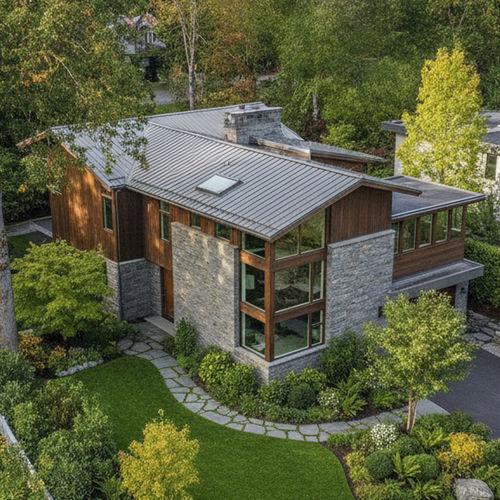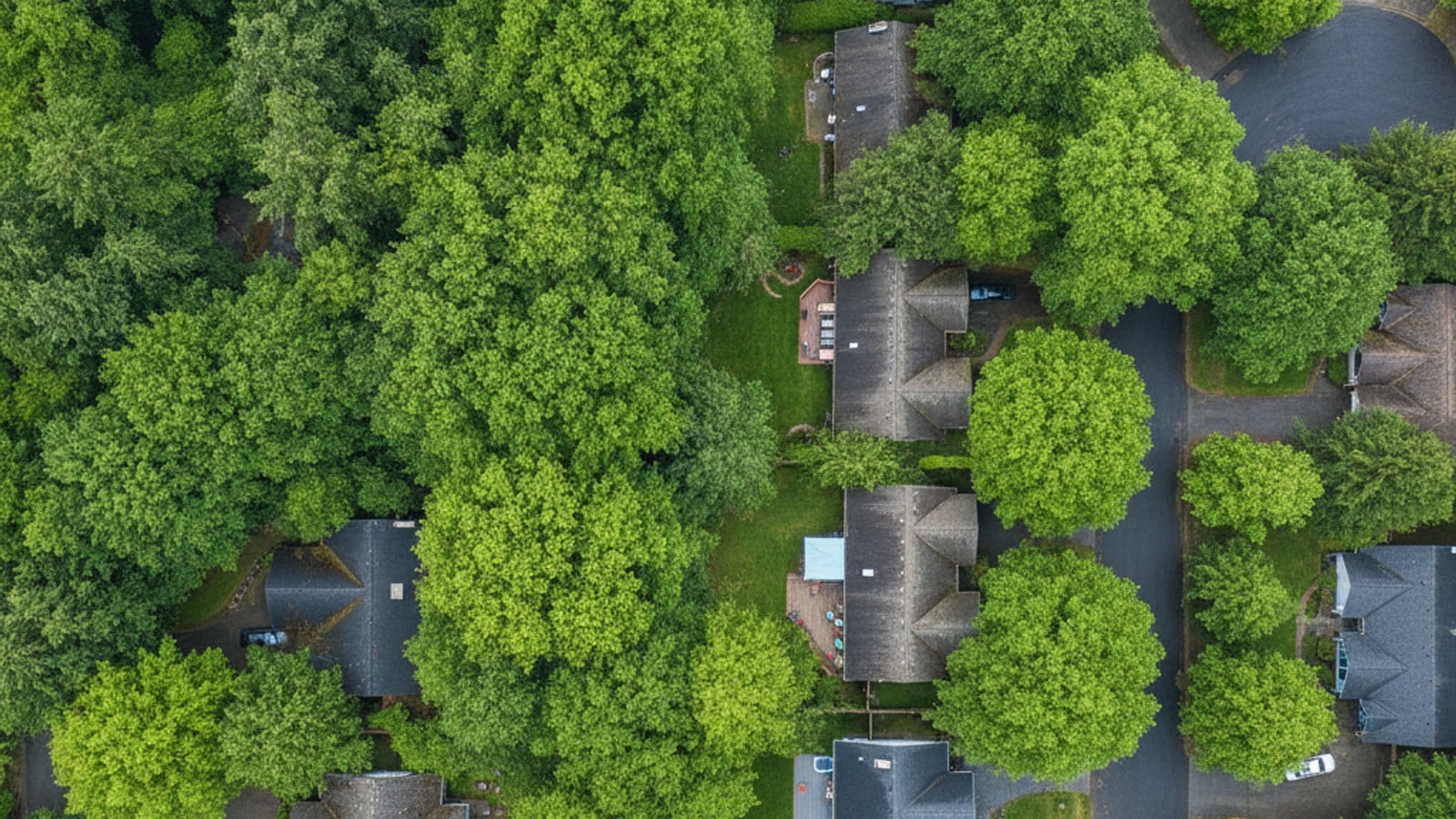
For anyone living in Woodinville, WA, the average annual precipitation runs somewhere between 44 and 45 inches - and that's really what defines this place visually. The greenery you see everywhere, the moss on the fences, the vineyards that somehow work at this latitude - it all traces back to that number.
If you're seriously looking to buy here, the climate isn't just scenery. With median home prices around $1,081,000, you're protecting a real investment from near-constant moisture for roughly half the year. Knowing the seasonal rhythm helps you plan an inspection, time a listing, or just figure out what moving day is going to look like.
Understanding the Local Climate Zone
Woodinville, WA carries a warm-summer Mediterranean climate classification - Csb in the Köppen-Geiger system. The short version: dry summers, wet winters, and a fairly narrow temperature band year-round. Annual temperatures typically range from 37°F to 77°F, rarely dropping below 27°F or climbing above 87°F.
The city sits at an official elevation of 174 feet, though some spots near the river valleys dip down to 30 feet. That relatively low elevation is part of why hard freezes stay uncommon here compared to higher-altitude towns in the region.
How Elevation Shapes the Weather
Sitting close to sea level, the terrain helps smooth out the sharper temperature swings you'd see further inland or up in the foothills. It also means most precipitation falls as rain rather than snow - which matters a lot when you're thinking about drainage and roof loads.
Where a specific house sits makes a real difference. Properties tucked into the wooded hillsides tend to hold onto morning fog longer than homes out in the open valley along the Sammamish River. That's a microclimate worth knowing about before you fall in love with a particular address.
How the Seasons Feel in King County
August is the peak - average highs near 74.8°F, lows around 53.1°F, long days, clear skies. It's also when most people do their house hunting, and that's not a coincidence. December sits at the other end: average highs around 42.6°F, lows at 35.1°F, and gray skies that can feel relentless by mid-January.
Spring and fall are transitions, and not always clean ones. Rain comes and goes unpredictably, cloud cover shifts fast, and you can get a genuinely beautiful afternoon followed by a week of drizzle.
Spring and Fall Transitions
Spring takes its time getting here. Damp conditions often linger well into late May or early June, and sellers who want to list during that window need to price in the fact that photos won't have the same pop as an August shoot.
Fall turns quickly. By late October the rain is back in earnest, and that's when deferred gutter maintenance starts showing up as real problems. Leaves pile up, drains clog, and water finds the path of least resistance toward your foundation.
Monthly Temperature Averages
The overall average temperature in August sits at 64.6°F. By December that drops to about 38.9°F, and January and February track right alongside it - mostly upper 30s and low 40s. June and July ramp toward the summer peak, with daily highs usually landing in the low 70s.
It's a narrow band, honestly. You're not dealing with Minnesota winters or Phoenix summers.
Managing Year-Round Comfort
That narrow range means most households aren't running their HVAC systems hard for extended stretches. A lot of older homes here use baseboard heating or gas fireplaces to get through winter, and they manage fine most years.
Newer construction tends to include heat pumps, which handle both the winter chill and the occasional summer heat spike without the inefficiency of running separate systems for each.
Precipitation and Humidity Levels
The 44 to 45 inches of annual rainfall is the figure you'll see most consistently, though some datasets track totals closer to 56 inches depending on the specific measurement period. Either way, it's wet enough to drive the region's agriculture and Woodinville wine country - and wet enough to make water management the most important maintenance category for any home here.
Snow is almost a non-issue. Woodinville averages just 5 inches per year against a national average of 28 inches. When it does snow, it typically melts within a few days, though icy roads can briefly make the morning commute interesting.
Tracking the Humidity
January is the most humid month, with relative humidity averaging between 83% and 85%. July drops that down to 67% to 71% - and you notice the difference. Summer here feels genuinely comfortable in a way that muggy East Coast or Gulf Coast summers don't, even when the temperatures are similar.
Wildfire Smoke, Heat Waves, and Local Hazards
Woodinville's own Climate Action Plan rates the city's internal wildfire risk as low. That said, regional smoke from fires elsewhere in the West has become a recurring late-summer issue, with poor air quality days showing up more often than they used to.
The same Climate Action Plan flags an uptick in record-breaking heat waves pushing summer highs above historical averages for short stretches. And for properties near the Sammamish River or other local waterways, flood risk is real - localized flooding is a known characteristic of Pacific Northwest river corridors.
Preparing for Environmental Shifts
If you're looking at anything near the river, check the specific address against updated First Street Foundation flood maps or local county resources. Elevation matters a lot at the parcel level, and there's enough variation between 174 feet and 30 feet in this area to change your flood insurance picture entirely.
On the smoke side, a growing number of residents are upgrading HVAC systems with high-efficiency particulate air filters to handle those late-summer air quality stretches.
Timing Your Visit or Relocation
July and August are the obvious choices for both visiting and moving. Dry roads, clear skies, and no rain on the moving truck. If you're touring properties, you'll also see them at their most photogenic.
Moving between November and March means you'll probably get rained on. It also means you'll see exactly how a home handles water - gutters under load, drainage patterns across the yard, any soft spots in the crawlspace. That's not the worst thing. A home that looks tight in February is a home that's probably been maintained.
When to Enter the Local Market
The market here follows the weather fairly closely. Listings surge in spring as the skies start to clear, and inventory tightens up through the summer. Winter sees fewer homes come on, and right now the active inventory sits at roughly 39 homes, with properties spending an average of 25 days on the market.
Buyers who are willing to tour in the rain sometimes find less competition. Worth thinking about.
How the Forecast Impacts Real Estate
Roofs, siding, and exterior paint take a serious beating here for half the year. Moss growth, water intrusion, and drainage failures are the three maintenance issues that come up most consistently in inspections. This isn't a region where you can defer that kind of upkeep and have it stay cosmetic for long.
The median home price in Woodinville, WA is approximately $1,081,000. At that level, a thorough inspection of the crawlspace, attic, and roof drainage systems isn't optional - it's just the cost of doing this right.
Property Features to Look For
Covered outdoor living spaces carry real value here. A patio with a solid roof means you can actually use your backyard for eight or nine months of the year instead of three.
Climate-controlled storage and attached garages matter too. Keeping vehicles and belongings out of the damp winter air is something most local buyers think about, and it shows up in how homes are priced and how quickly they move.
Frequently Asked Questions
What is the best time of year to list a house in Woodinville, WA to avoid the worst of the rainy season?
Late May through August. July and August are the driest months - July's relative humidity drops to around 67% to 71% - and clear skies make a real difference in how exterior photos turn out.
Do I need flood insurance if I buy a home near the Sammamish River in Woodinville?
It depends on the exact elevation and flood zone of the specific property. The city's overall elevation is 174 feet, but low-lying areas near the river can dip to 30 feet and carry localized flood risks. Check the specific address against First Street Foundation flood maps or county records to confirm what's actually required.
What are the most common winter weather maintenance issues buyers should look for during a Woodinville home inspection?
Poor drainage, moss growth on the roof, and moisture in the crawlspace. With 44 to 45 inches of annual rainfall, gutters and downspouts are the most frequent failure points - and the most commonly ignored until they cause a real problem.
How frequent are winter power outages in the heavily wooded neighborhoods of Woodinville?
They happen occasionally during winter windstorms, when heavy rain softens the soil and falling branches take out power lines. Because the area only averages about 5 inches of snow annually, ice-related outages are less common than wind-related ones.
Do most homes in Woodinville have air conditioning, or are the summers mild enough without it?
A lot of homes were built without it, since annual temperatures rarely exceed 87°F. But the city's Climate Action Plan notes an increase in record-breaking heat waves, and more homeowners are responding by installing heat pumps or AC units.
Is there enough year-round sunlight in Woodinville to make solar panels a worthwhile investment for a property?
Yes, though production drops significantly during the overcast winter months. The bright, clear days from late spring through early fall carry the bulk of the annual solar generation.
Check out this article next