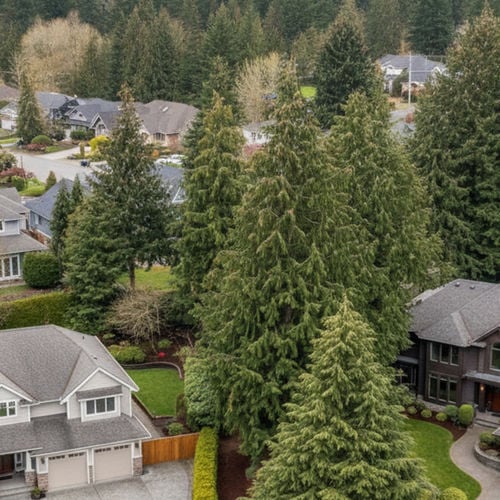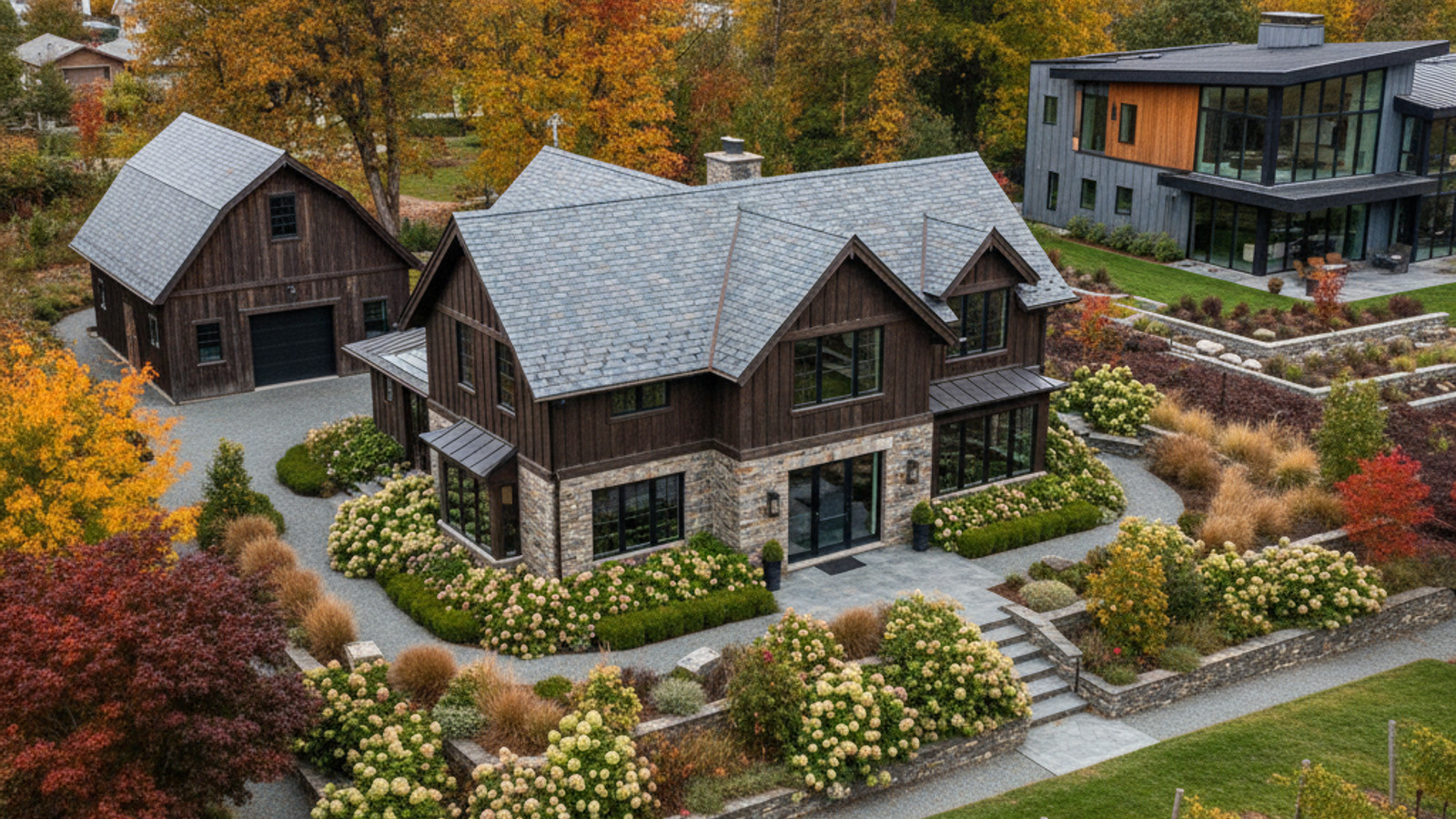
Woodinville sits just northeast of Seattle, known today for its expansive acreage properties and world-class tasting rooms. Long before it became a premier destination in King County, this area was a rugged, heavily forested logging camp. Understanding the history of Woodinville WA provides valuable context for anyone evaluating the local housing market.
Before European settlers arrived, the region was inhabited by the Duwamish people, who utilized the abundant waterways for transportation and sustenance. The Sammamish River served as a vital travel corridor connecting different native settlements across the Pacific Northwest.
The transformation from dense timberland to a sophisticated suburban community took decades of steady growth. Early pioneers cleared the land for dairy farming, laying the groundwork for the agricultural heritage that still defines the Sammamish Valley. For those considering living in Woodinville, these historical roots are visible in everything from preserved architectural landmarks to the layout of modern residential neighborhoods.
The Founding of Woodinville: Logging and Early Agriculture
The story of this community begins in 1871 with the arrival of Ira and Susan Woodin. They moved from Seattle to homestead 160 acres along the Sammamish River, which was then known as Squak Slough. This early settlement established a foothold in a region dominated by towering evergreens.
Because of the dense forests across King County, logging naturally became the first major industry for the new settlers. Timber camps sprung up along the waterways to transport massive logs toward Lake Washington.
Removing the massive stumps left behind by the logging outfits required immense physical labor and ingenuity. Early residents often relied on horse teams and rudimentary steam equipment to pull the stubborn roots from the earth. Once the ground was finally cleared, the nutrient-rich soil proved exceptionally well-suited for grazing livestock.
As the trees were cleared, the fertile soil of the Sammamish Valley was exposed. Settlers quickly converted the newly opened land into productive dairy farms and agricultural tracts.
This shift from timber to farming permanently changed the local economy and established a rural character that still influences property values today.
The Impact of the Seattle, Lake Shore and Eastern Railway
The arrival of the Seattle, Lake Shore and Eastern Railway in 1888 marked a massive turning point for local commerce. Trains provided a reliable, high-volume method to transport agricultural goods from local farms directly to larger markets in Seattle. This vital infrastructure bridged the gap between rural growers and urban consumers.
Town infrastructure quickly developed around the new railroad depot, transforming the scattered farms into a cohesive community. The first post office and general store opened near the tracks, drawing more residents to the town center.
Decades after the trains stopped running, the original railway corridors were repurposed for public use. The tracks that once carried timber and milk were eventually paved to create the Burke-Gilman Trail and the Sammamish River Trail. Today, these paths provide miles of uninterrupted outdoor recreation for cyclists and pedestrians.
From Farmland to Premier Wine Destination
During the 20th century, the local economy experienced another dramatic shift as agriculture modernized. The dairy farms that once dominated the valley began to consolidate, making way for new types of agricultural investments.
A major catalyst for this change occurred in the Hollywood District at the historic Hollywood Farm. In 1912, the Stimson family constructed the sprawling Manor House to serve as a centerpiece for their innovative farming operations. The estate demonstrated that the valley could support high-end agricultural ventures, elevating the area's profile.
The agricultural success of the Sammamish Valley is largely due to its unique microclimate and fertile riverbed soil. While the area does not grow the majority of the grapes used in local wine production, the environment proved perfect for aging and storing the barrels.
The birth of the modern Woodinville wine country officially took place when Chateau Ste. Michelle opened its doors. The winery established its operations on the former Stimson estate in 1976, proving that the local climate was ideal for producing world-class wines. Today, the presence of over a hundred wineries and tasting rooms adds a distinct premium to nearby real estate.
Preserved Landmarks and Heritage Sites
Modern residents and visitors can still explore numerous physical remnants of the city's pioneer past. Preserving these sites has been a priority for the community, ensuring that rapid residential development does not erase the area's unique identity. These historic locations provide a tangible link to the early settlers who shaped the Sammamish Valley.
The Woodinville Heritage Society, founded in 1975, leads the ongoing effort to educate the public and maintain the local Heritage Museum. Their work ensures that the stories of early dairy farms remain accessible to new generations.
The Heritage Museum curates these artifacts, offering a comprehensive look at the daily struggles and triumphs of early valley life. This dedication to preservation ensures that new housing developments incorporate elements of the town's original character. Several key landmarks continue to stand as testaments to the town's evolution:
The Hollywood Schoolhouse: Constructed from brick in 1912, this architectural landmark transitioned from an educational facility into a prominent commercial hub.
The Woodinville Cemetery: Serving as one of the few remaining physical links to the original pioneers, this site offers a quiet reflection on the area's earliest residents.
The Manor House: Originally the center of the Stimson family's Hollywood Farm, it now anchors the grounds of the region's most famous winery.
Woodinville Real Estate Today: Bridging History and Modern Living
The historical evolution of the Sammamish Valley directly impacts the diverse property landscape available to buyers today. Those looking at homes for sale in Woodinville will find a unique mix of restored heritage homes, expansive acreage properties, and modern residential developments. This variety allows buyers to choose between rural privacy and suburban convenience, keeping the local housing market highly active.
Buyers exploring the current market will discover properties ranging from mid-century ramblers to newly constructed luxury estates. Many of the larger lots sit on land that was originally partitioned for small-scale dairy operations a century ago.
Beyond the established historic districts, the area offers robust modern infrastructure that appeals to long-term residents. The top-rated Northshore School District serves the community, with Woodinville High School boasting an impressive graduation rate of approximately 96.6 percent. Strong educational facilities consistently support property values and draw steady interest to the region.
Practical connectivity and outdoor recreation further enhance the appeal of living in the valley. Commuters benefit from convenient access to major tech hubs, with Bellevue located about 12 miles away for a 15 to 25-minute drive. Redmond sits just 6 miles away, taking roughly 11 to 20 minutes to reach by car.
Frequently Asked Questions About Woodinville History
What is Woodinville, WA known for?
Woodinville is primarily known for its transformation from a historic logging and dairy farming community into a premier wine destination. The city currently boasts over 100 wineries and tasting rooms, drawing visitors from across the globe. This unique blend of agricultural history and modern luxury heavily influences the local culture and real estate market.
When was Woodinville founded?
The community was founded in 1871 when Ira and Susan Woodin homesteaded 160 acres along the Sammamish River. Their initial settlement established a permanent presence in the heavily forested region. This early pioneer footprint eventually grew into the thriving suburban city that exists today.
Check out this article next