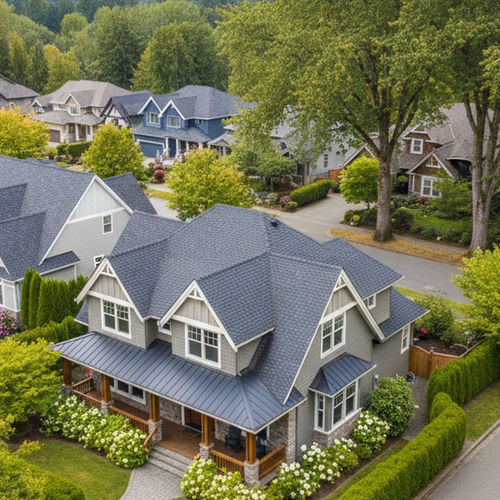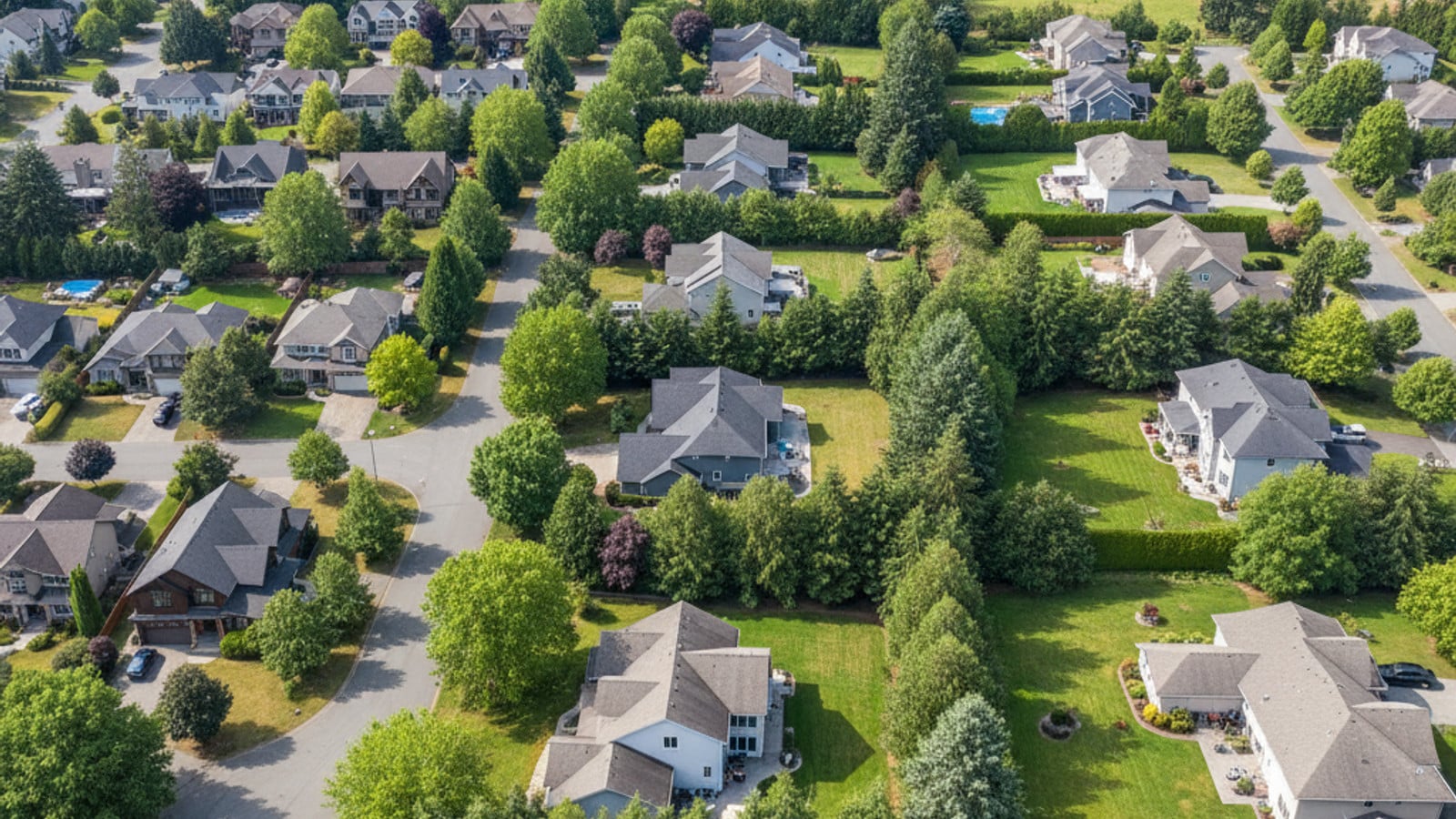
The median listing price in Woodinville, WA currently sits between $1.4 million and $1.6 million as of May 2026. Homeowners preparing to list their properties face a noticeably different environment than they did a few years ago. Months of inventory now hover around 3.1, signaling a balanced environment where buyers have more options and time to make decisions.
Developing effective pricing strategies in Woodinville, WA requires looking past broad regional averages. A downtown condominium demands a different valuation approach than a five-acre property in the Hollywood District. Sellers who understand the current local data position themselves to attract serious offers without leaving money on the table.
Properties in this area are going pending in roughly 11 to 26 days. Hitting that optimal window comes down to setting the right initial asking price. Buyers are well-educated on local values, and they quickly bypass homes that do not align with recent sales data.
What the Woodinville Real Estate Market Looks Like Right Now
Sellers entering the May 2026 market are seeing a sale-to-list price ratio of roughly 97% to 98%. Buyers are negotiating, and they are using the 3.1 months of available inventory as leverage. This represents a clear shift toward a neutral real estate market where neither party holds absolute control.
Homes that align with current market value typically secure a buyer within the 11 to 26-day average window. During this period, sellers generally see a steady stream of showings followed by one or two solid offers. Setting an asking price requires acknowledging this steady, deliberate pace rather than expecting immediate bidding wars.
Overpriced listings tend to sit longer than a month, often requiring price reductions that can weaken a seller's negotiating position. Once a home crosses the 30-day mark, buyers often assume there is a flaw with the property. A well-researched initial price prevents the listing from growing stale.
Tailoring Your Approach by Property Type
Woodinville contains a wide mix of housing styles, from dense suburban developments to large acreage parcels. You cannot use a single formula to value every property within the city limits. A standard price-per-square-foot calculation often fails to capture the nuances of larger lots or specialized outbuildings.
Local zoning laws have created distinct pockets of housing that attract entirely different buyer pools. Someone looking for a low-maintenance townhome has different priorities than a buyer seeking space for livestock. Understanding what your target buyer values will help you pull the right comparable sales.
Valuing a home correctly requires matching your property to its specific category. Appraisers will group your home with similar properties, and your asking price should reflect that same logic.
Valuing Suburban Neighborhood Homes
For homes in planned developments like Woodinville Heights, the pricing process is relatively straightforward. You can look at recent sales of similar floor plans within a half-mile radius. Adjustments are typically limited to condition, lot position, and recent interior upgrades.
Buyers in these neighborhoods often prioritize turnkey condition and modern finishes. Upgraded kitchens and bathrooms carry strong weight in the final asking price. Homes with deferred maintenance in these subdivisions usually require a noticeable price discount to attract offers.
Pricing Acreage Estates
Properties with substantial land require a more detailed valuation. Lot size, topography, and privacy buffers add tangible value that standard neighborhood comps will not reflect. Two five-acre parcels can have vastly different values based on how much of the land is usable.
Sellers should work with real estate agents to isolate the value of the land itself. A flat, cleared acre commands a different premium than a steep, wooded lot of the same size. Access to utilities and the condition of private roads also factor into the final valuation.
Evaluating Equestrian Properties
Horse properties introduce specialized assets into the pricing equation. The quality of the barn, the condition of the fencing, and the amount of usable pasture space all impact the final number. Buyers will calculate the cost of replacing or repairing these structures when deciding on an offer.
Appraisers and buyers will scrutinize the functionality of these outbuildings. Well-maintained equestrian facilities often draw buyers from across Washington state, expanding your potential buyer pool. A property with a covered riding arena will price much higher than one with a simple run-in shed.
Local Features That Influence Your Asking Price
Proximity to major local landmarks directly impacts property values across the city. Homes located near Woodinville Wine Country consistently draw strong interest. Buyers are willing to pay a premium for easy access to tasting rooms, restaurants, and local events.
Outdoor recreation access serves as another major pricing factor. Properties within a short distance of the Sammamish River Trail often see increased demand. This paved route offers miles of biking and walking paths, adding a distinct lifestyle benefit to the listing.
The geography of the Sammamish River Valley means some neighborhoods have better transit access than others. Commute times remain a central concern for buyers working in Seattle or Bellevue. Homes that offer quick access to SR 522 and I-405 generally sell faster than those tucked deep into the rural outskirts.
Sellers should factor this transit convenience into their initial pricing strategy. A home that shaves fifteen minutes off a daily commute can often justify a slightly higher asking price.
Using Local Comps to Establish Market Value
A Comparative Market Analysis is the standard tool for determining a home's current value. This report analyzes recently sold, pending, and active listings that closely match your property. Pulling accurate data is the only way to establish a baseline for your asking price.
School district boundaries play a massive role in this analysis. When pulling comparable sales, sellers should stay within the Northshore School District lines. Crossing into a neighboring district can skew the data and lead to an inaccurate valuation.
Once you have a list of similar homes, you adjust the baseline price for differences. If your home has 300 fewer square feet than a recent sale, you adjust your price downward. Conversely, a new roof or a recently remodeled primary suite allows you to adjust the price upward.
Sellers should pay close attention to active listings as well as sold data. Active listings show you exactly who you are competing against for buyer attention right now. If three similar homes are listed lower than your target price, you may need to adjust your expectations.
Proven Methods to Price Your Home
With a solid understanding of your home's market value, you can choose a specific listing strategy. The approach you select depends on your timeline and your risk tolerance. A seller who needs to relocate in two weeks will price differently than someone willing to wait for a top-dollar offer.
Knowing that the current Woodinville, WA market yields a 97% to 98% sale-to-list ratio helps set realistic expectations. Buyers are building a small margin of negotiation into their offers. The current market conditions support a few different paths to a successful sale.
Here are the most common methods sellers use to attract offers:
Pricing slightly below market value: Listing a home 2% to 3% below the comparable sales often generates immediate interest. This approach can lead to multiple offers and a faster pending date.
Pricing at exact market value: Setting the price exactly where the data suggests appeals to informed, analytical buyers. This transparent method works well in a neutral market with steady inventory.
Pricing high with planned reductions: Some sellers list 5% above market value to test buyer willingness. This carries the risk of the home sitting on the market and eventually requiring a noticeable price drop.
Frequently Asked Questions
When is the best time to sell in Woodinville, WA?
Spring and early summer traditionally bring the highest buyer traffic to the area. Listing between April and June aligns with the end of the school year, which motivates many buyers to move. However, well-priced homes in desirable locations sell consistently year-round.
Should I renovate before selling or sell as-is in Woodinville, WA?
Minor cosmetic updates like fresh paint and new carpets generally offer the best return on investment. Major renovations often cost more than the value they add to the final sale price. If your home needs substantial work, pricing it competitively as-is often attracts buyers looking to build equity.
How do I price my home correctly in Woodinville, WA and how much will I net?
Correct pricing requires reviewing recent sales of similar homes within your specific school district boundaries. To calculate your net proceeds, subtract your remaining mortgage balance, agent commissions, and local transfer taxes from your expected sale price. A local real estate agent can provide a precise net sheet based on your exact listing number.
Check out this article next