Finding the right lease in the Pacific Northwest requires a clear understanding of current pricing and local inventory. As of April 2026, the Woodinville area continues to attract residents seeking proximity to major tech hubs without the dense urban feel of downtown Seattle. This steady demand directly impacts monthly leasing costs across the city.
Prospective renters evaluating the average rent in Woodinville WA will find a market shaped by limited new construction and high retention rates. Understanding the exact figures for different property types helps renters set realistic budgets. Moving into this market requires knowing both the base costs and the secondary expenses that dictate the true cost of living here.
Woodinville, WA Rental Market Trends for 2026
The current rental landscape in Woodinville reflects a highly competitive environment for available units. Data from the United States Census Bureau and local market metrics show the average overall rent sits at approximately $2,483 per month. This figure represents a continuation of the upward pricing momentum seen through last year, firmly establishing the baseline for 2026.
Based on recent inventory levels and current pricing trajectories, Woodinville remains a definitive landlord's market. Renters face swift competition for prime units, meaning property owners rarely need to offer move-in concessions to fill vacancies. Those looking to sign a lease this year should be prepared to act quickly and have their tenant screening documents ready to go.
Average Rent Prices by Apartment Size
Monthly costs vary significantly depending on the square footage and bedroom count of the unit. A single renter might find a studio manageable, but upgrading to a larger floor plan introduces a steep jump in the monthly financial commitment.
Studio apartments: $1,750 to $1,823 per month
1-bedroom apartments: $2,093 to $2,245 per month
2-bedroom apartments: $2,875 to $3,169 per month
3-bedroom apartments: $3,763 to $3,830 per month
The leap from a one-bedroom to a two-bedroom unit represents a substantial premium of roughly $800 to $900 per month. Renters must weigh whether the extra square footage for a home office or guest room justifies this sharp increase in their annual housing budget.
How Woodinville Compares to the National Average
Leasing a home in this part of Washington requires a larger budget than most other regions in the United States. Woodinville rent prices currently sit approximately 37% higher than the national average. This premium reflects the broader economic strength of the Seattle metro area and the steady influx of corporate relocators.
The local housing composition also plays a role in these elevated prices. Currently, the market consists of about 41% renter-occupied households and 59% owner-occupied homes. This relatively constrained rental supply compared to owner-occupied properties keeps competition fierce and prices elevated above national norms.
Cost of Living Factors Beyond Base Rent
Evaluating a lease based solely on the advertised monthly rate often leads to budget shortfalls. The true cost of renting in Woodinville includes several secondary expenses that can add hundreds of dollars to your monthly financial obligations. Factoring in these additional costs is essential for maintaining a comfortable standard of living.
The most overlooked expense for renters in the Pacific Northwest is the combined cost of winter heating and mandatory parking fees. Many modern apartment buildings charge premium rates for a single reserved parking space, which is practically a necessity in this region. Renters should always calculate these hidden line items before signing a leasehold estate agreement.
Commute Times and Transportation Costs
Location directly influences daily travel expenses and time spent on the road. Woodinville offers immediate access to WA-522 and I-405, serving as a critical junction for those traveling to major employment centers. Typical commute times to Redmond and Bellevue range from 15 to 30 minutes depending on peak traffic conditions.
While the base rent might be slightly lower than living directly in downtown Bellevue, the daily commuting costs can offset those savings. Renters must calculate the price of gas, vehicle maintenance, and potential toll charges when evaluating a property's overall affordability.
Utilities, HOA Fees, and Move-In Estimates
Standard upfront costs in 2026 typically include the first month of rent and a security deposit equal to one month's lease. Renters seeking pet-friendly buildings should also anticipate non-refundable pet fees ranging from $300 to $500, alongside monthly pet rent.
Monthly utility bills for a standard apartment generally range between $150 and $250, covering water, sewer, and garbage. Those renting privately owned condos or townhomes must also clarify if monthly HOA fees are included in the base rent or billed as a separate tenant responsibility.
Neighborhoods and Types of Rental Properties
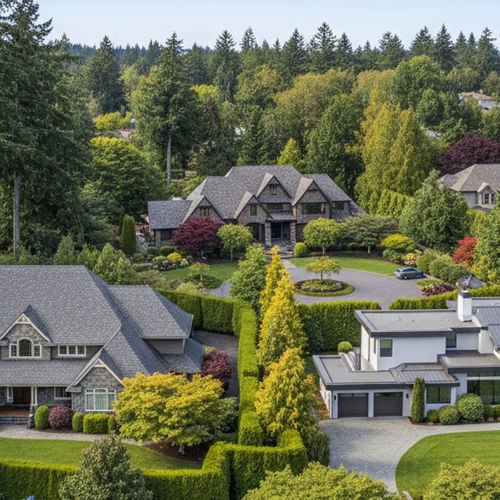
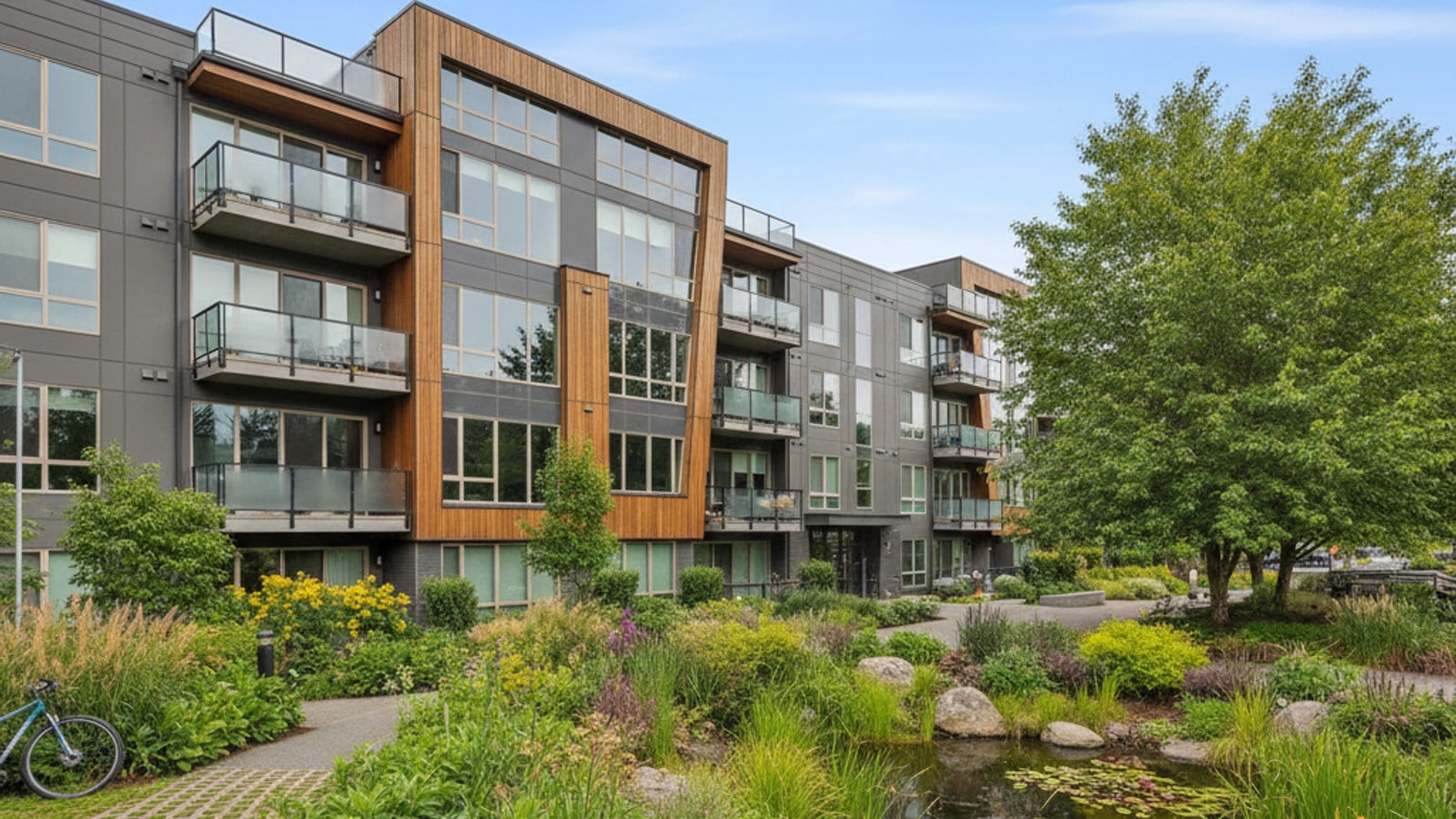
The housing inventory in Woodinville spans a wide spectrum of architectural styles and property types. Renters can choose between dense, modern developments near the city center and more sprawling, established neighborhoods further out. This variety ensures options for different space requirements and aesthetic preferences.
In the current 2026 market, older townhomes located just outside the downtown core offer the best overall value. These properties typically provide more square footage and attached garages for a monthly rate comparable to newer, smaller apartments. Renters willing to forgo luxury building amenities can secure significantly more living space by targeting these mid-century builds.
Downtown Apartments to Single-Family Homes
The downtown sector is dominated by newer multi-family complexes featuring modern finishes, fitness centers, and controlled access. These apartment buildings maximize vertical space and offer immediate proximity to local retail centers.
Moving away from the commercial core, the inventory shifts heavily toward standalone rental houses. These single-family homes typically feature private yards, larger floor plans, and increased distance between neighbors. The price gap between a downtown apartment and a standalone house reflects the premium placed on private land and square footage.
Local Amenities and Public School Districts
The civic infrastructure and local attractions heavily drive the demand for rental properties in this area. The renowned Woodinville Wine Country serves as a major economic and recreational anchor, drawing significant foot traffic and supporting local retail. Additionally, the Sammamish River Trail provides miles of paved, scenic pathways for cycling and walking.
The region is served by the Northshore School District, which manages the local public educational facilities. The presence of these established schools, combined with expansive park systems, adds tangible value to the surrounding residential neighborhoods.
Frequently Asked Questions
Is it expensive to live in Woodinville compared to the rest of Washington?
Yes, Woodinville ranks as one of the more expensive rental markets in Washington state. Monthly leasing costs here consistently outpace the state average, largely due to the proximity to major tech employers in King County. Renters should expect to pay a premium for the location and local amenities.
Do most people rent or own in Woodinville, WA?
The majority of residents in this area are homeowners. Current data indicates that approximately 59% of the housing units are owner-occupied, while 41% are renter-occupied. This composition contributes to the competitive nature of the local rental market.
How can I find a pet-friendly apartment in Woodinville, WA?
Many modern apartment buildings in the downtown corridor actively market themselves as pet-friendly. Prospective tenants should filter local rental listings specifically for pet policies and expect to pay additional upfront deposits. Privately owned single-family rentals often have stricter rules regarding animal breed and size restrictions.
Check out this article next