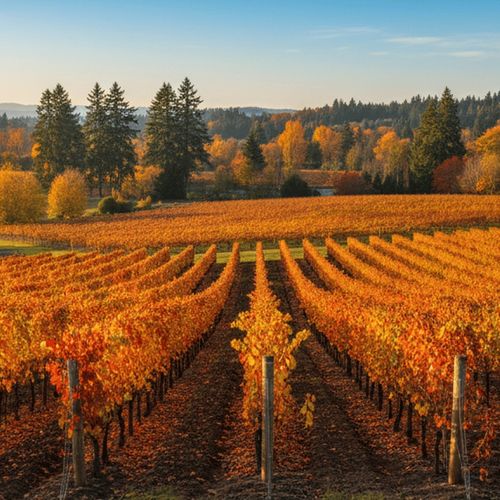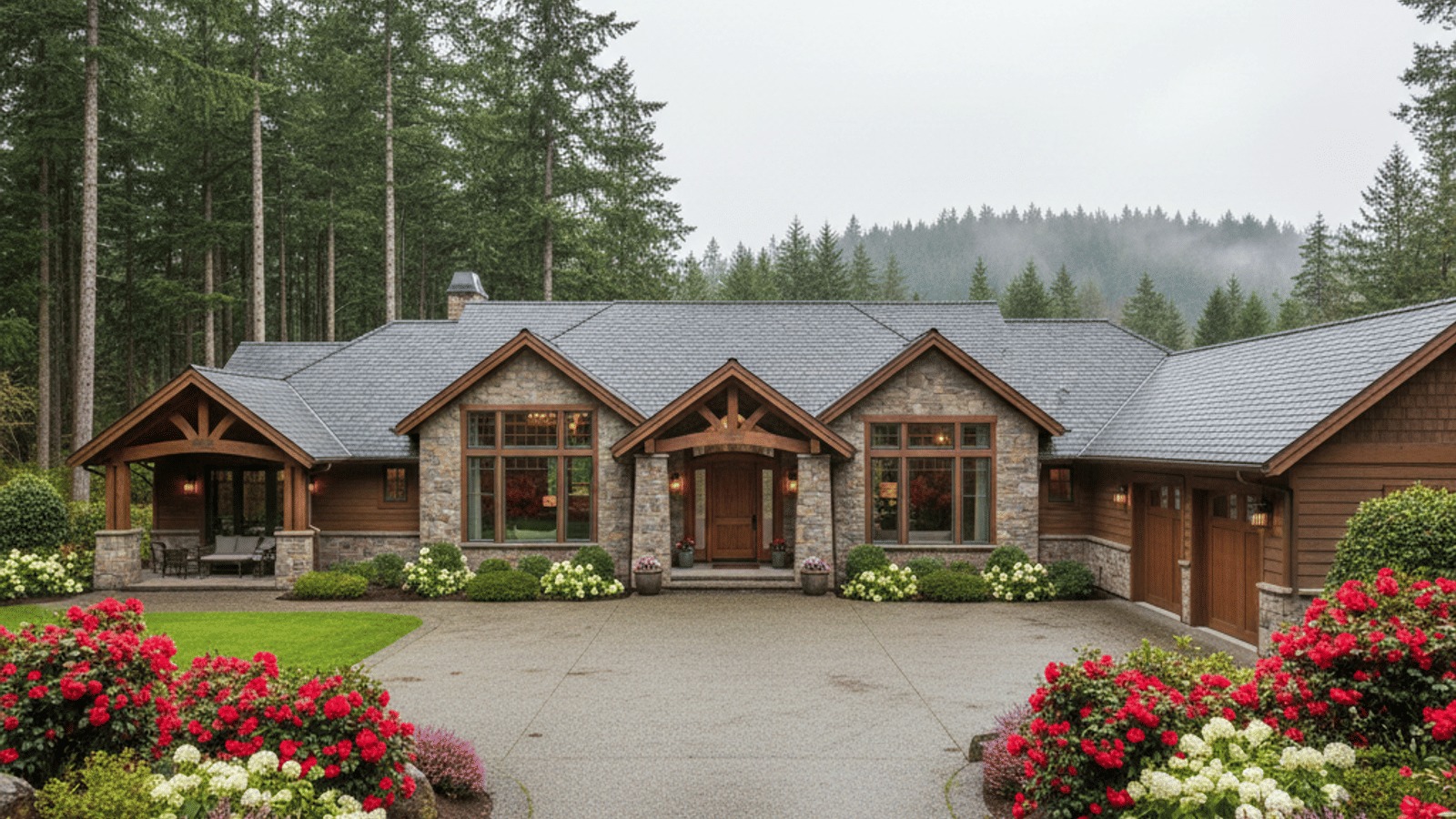
If you drive just thirty minutes northeast of Seattle, the concrete fades into equestrian pastures, dense evergreens, and rolling vineyards. Woodinville offers a unique "wine country" atmosphere that feels worlds away from the city, yet it remains firmly plugged into the Eastside’s tech corridor. As we kick off 2026, this blend of rural charm and high-tech proximity continues to drive one of the most resilient housing markets in King County.
Current market conditions as of January 2026 show Woodinville is primarily a seller's market. Inventory remains tight, and while we are seeing the typical seasonal cooling of winter, the underlying demand for larger lots and acreage hasn't waned. The core dynamic here is simple: there are more buyers looking for space and privacy than there are sellers willing to give it up.
While prices have stabilized compared to the volatile swings of previous years, the forecast for the rest of 2026 suggests moderate growth. With interest rates expected to potentially soften later this year, buyers who are waiting on the sidelines might find themselves in a much more competitive landscape by spring.
Woodinville Housing Market Overview (Jan 2026)
To understand where we are going, it helps to look at the hard numbers from late 2025 and early 2026. While other areas in Washington have seen price corrections, Woodinville has held its ground, largely because land here is a finite resource that can't be easily replicated.
The Median Sale Price is currently hovering in the $1.3M to $1.33M range. Year-over-year trends show that prices are generally stable or ticking upward, with price per square foot increasing by approximately 5-7%. This resilience indicates that even when buyers are budget-conscious, they are willing to pay a premium for the lifestyle Woodinville offers.
However, the "speed" of the market depends heavily on the season. Right now, we are seeing a winter slowdown where homes might sit for 50+ days. This is often a temporary lull; historically, once the spring market hits, that number drops drastically, often to under two weeks for turnkey properties. Perhaps the most critical stat for buyers to watch is inventory levels, which are sitting at roughly 1.4 months of supply—far below the 4-6 months that typically signals a balanced market.
- Median Sale Price: ~$1.3M range
- Price per Sq Ft: ~$560 - $570 range
- Sale-to-List Ratio: ~95-100% in winter, typically rising over 100% in spring
Property Types: Acreage, Estates, and Townhomes
When people look for homes for sale in Woodinville, they are usually looking for one specific thing: land. Unlike the dense grids of Kirkland or Bellevue, Woodinville is defined by its zoning.
The market is dominated by single-family homes on larger lots. You will often hear agents talk about "R-1" to "R-5" zoning, referring to properties that sit on anywhere from one to five acres. These properties command the highest premiums because they offer the privacy and space that is becoming extinct closer to the city.
There is also a robust luxury and equestrian segment here. Properties featuring barns, riding arenas, or potential for hobby vineyards are highly sought after. These estates are not just homes; they are lifestyle purchases, and they often see multiple offers due to their scarcity.
On the other end of the spectrum, there is a smaller but active market for condos and townhomes, mostly clustered near the downtown districts and winery hubs. These offer a lower entry point, often in the $600,000 to $900,000 range, providing access to the community without the maintenance of a massive yard.
Buyer vs. Seller Market: Who Has the Upper Hand?
So, who is in the driver's seat right now? The short answer is the seller, though the grip isn't quite as tight as it was during the frantic days of 2021.
For sellers, inventory is your biggest leverage. Because there are so few homes available, a correctly priced home—especially one that is updated and staged—attracts attention immediately. You don't need a frantic market to sell well; you just need to be the best option in a limited pool.
For buyers, the current winter market offers a strategic window. You likely have more time to think than you will in April. In the current climate, bidding dynamics are fluctuating; winter buyers might be able to negotiate a bit below list price on homes that have been sitting. However, be prepared: once the spring inventory drops, bidding wars on "perfect" listings are likely to return.
Woodinville vs. The Neighbors: Bothell, Redmond, Kirkland
Value is relative, and most buyers looking here are also scanning listings in neighboring cities. Here is how Woodinville stacks up against the competition on the Eastside.
Compared to Redmond and Kirkland, Woodinville is generally more affordable per square foot. In those tech-centric hubs, a median price of $1.4M+ might get you a standard lot in a subdivision. In Woodinville, a similar budget often unlocks significant acreage. The trade-off, of course, is the commute. Living here means navigating SR-522 or the backroads to get to the office, which adds time to your day.
Compared to Bothell, Woodinville is typically more expensive. Bothell's median sits closer to $1.1M, making it a more budget-friendly option for many. However, Woodinville offers a higher level of "rural prestige" and privacy that Bothell's denser suburban developments generally don't match.
- Woodinville Median: ~$1.3M (More land, longer commute)
- Bothell Median: ~$1.1M (More suburban, better price point)
- Redmond/Kirkland: Often $1.4M+ (Closer to work, smaller lots)
Key Factors Driving Demand in Woodinville
Why do people choose to pay the premium to live here? Aside from the obvious appeal of square footage, there are a few key drivers that keep demand high.
The "Wine Country" Lifestyle: It is hard to overstate the appeal of living near the warehouse winery district and Chateau Ste. Michelle. For residents, this creates a resort-like atmosphere in their own backyard. It’s not just about wine; it’s about the breweries, the concerts on the lawn, and a dining scene that punches above its weight for a town of this size.
Schools and Education: The Northshore School District is a major draw. Many households move here specifically for access to the academic programs and extracurricular opportunities provided by these highly rated schools. It provides a sense of long-term stability for property values.
Tech Hub Access: Woodinville sits in a sweet spot. It is commutable to the "Tech Corridor" along I-405, giving residents access to Microsoft in Redmond or Google in Kirkland without forcing them to live in the urban density of those cities.
Outdoor Access: If you cycle, run, or ride horses, this is the place to be. The Burke-Gilman Trail and the Sammamish River Trail connect you all the way to Seattle, and the abundance of equestrian facilities makes it a haven for horse owners.
Financial Considerations: Taxes, HOAs, and Insurance
Buying a home isn't just about the mortgage payment. There are several other lines on the monthly budget sheet you need to plan for.
Property Taxes: Woodinville falls under King County tax jurisdictions, meaning rates generally hover around 1% of the assessed value. However, because property values have risen consistently, assessed values—and the resulting tax bills—can be substantial. When browsing Woodinville real estate listings, always check the specific tax history of the parcel.
HOAs: This is a mixed bag in Woodinville. Many of the older properties on acreage have no Homeowners Association (HOA) at all, giving you total freedom over your land. However, planned communities like English Hill or newer subdivisions will have HOAs ranging from $50 to $500 per month, depending on amenities like private parks or landscaping.
Insurance: For the most part, insurance is standard. However, if you are looking at properties along the Sammamish River or in low-lying valley spots, flood insurance may be required. Additionally, as wildfire concerns grow in the Pacific Northwest, heavily wooded lots may require more scrutiny regarding fire risk and defensible space.
2026 Forecast: What to Expect in the Next 12 Months
Looking ahead at the remainder of 2026, the signs point to a year of normalization rather than chaos. We expect to see moderate, sustainable price growth in the 3-5% range rather than the explosive double-digit spikes of the past.
The biggest variable will be mortgage rates. If rates dip into the low 6% range as many analysts forecast, buyer demand is likely to surge. Since inventory is expected to increase slightly but remain below historical averages, this could tighten the market further.
If you are considering a move, the best window for buyers might be early in the year. Acting before the spring rush intensifies allows you to secure a home without competing against the full wave of spring buyers. Whether you are looking to get a free market analysis on your current home or are ready to tour, keeping a close eye on these monthly shifts will be key to your success.
Frequently Asked Questions
Is 2026 a good time to buy a house in Woodinville?
Yes, if you are looking for long-term value and stability. While prices are high, the quality of life and land scarcity in Woodinville suggest that values will continue to hold or grow, making it a solid investment before potential rate drops increase competition later in the year.
Why are homes in Woodinville so expensive?
You are paying for the land. Woodinville has strict zoning laws and Agricultural Protection zones that prevent high-density development, meaning supply is artificially limited while demand for large lots remains high.
Is Woodinville a buyer or seller market right now?
It remains a seller's market. With inventory hovering around 1.4 months of supply, sellers still have the leverage, though buyers have slightly more negotiation power during the winter months compared to the spring.
How do Woodinville property taxes compare to Seattle?
The tax rates are similar as both are in King County, but your actual bill might be higher in Woodinville due to assessed values. Large lots and acreage often result in higher tax assessments compared to smaller city lots in Seattle.
Check out this article next